






Avoid fly-tipping fines: Notting Hill waste disposal tips
Posted on 02/06/2026
If you live, work, or manage property in W11, waste can pile up faster than you expect. One overfilled bin bag, a broken wardrobe left beside the kerb, or a hurried builder's load dumped in the wrong place can turn into a costly fly-tipping problem. This guide on Avoid fly-tipping fines: Notting Hill waste disposal tips is here to help you stay on the right side of the rules, keep your street tidy, and deal with rubbish in a way that actually makes sense in day-to-day Notting Hill life.
Truth be told, most fly-tipping issues are not caused by huge dramatic offences. They often start with a rushed decision: "I'll leave it here for now," or "that company said they'd take it, so it must be fine." Then the weather turns, the bags split, and suddenly you have a mess that is visible to everyone on a busy London pavement. Not ideal. The good news is that a few simple habits can save you money, stress, and a fair amount of embarrassment.
In this article, you'll find practical disposal steps, common mistakes to avoid, local considerations for flats and shared buildings, and sensible ways to choose a compliant clearance option. If you're comparing wider rubbish services, it may also help to review the site's services overview and the page on rubbish removal in Notting Hill for a clearer picture of what is available.
Why Avoid fly-tipping fines: Notting Hill waste disposal tips Matters
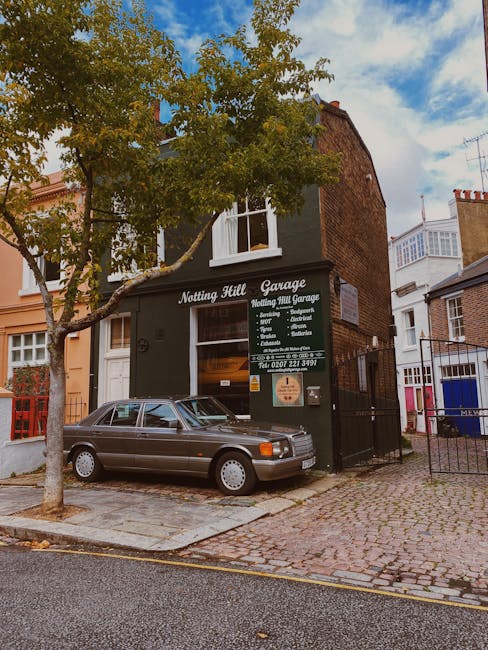
Notting Hill is a compact, active part of London with a mix of mansion blocks, conversions, terraces, managed developments, shops, cafes, studios, and short-let properties. That density is part of the appeal, but it also means waste is highly visible. One badly placed sofa or a stack of black bags can look messy within minutes, especially on narrower streets or near busy routes such as Portobello Road and the surrounding side roads.
Fly-tipping matters because it affects more than appearance. It can block pavements, attract vermin, create hazards for pedestrians, and prompt complaints from neighbours or building managers. It can also bring enforcement attention if waste is abandoned in a public place or if a private resident allows rubbish to be disposed of improperly. Let's face it, nobody wants to be the person everyone quietly remembers as "the one who left the mattress out back."
There's also the financial side. Fines can be issued for improper disposal, and if you use an unlicensed operator or fail to check where your rubbish is going, the trouble can come back to you. That is why a bit of diligence up front is worth far more than dealing with a problem later.
For residents in shared buildings, the stakes can be even higher. A single missed instruction about communal bins can cause tension between neighbours, concierge teams, and landlords. If you live in a flat, the guidance in these communal rubbish removal tips for Notting Hill Gate flats is especially relevant.
How Avoid fly-tipping fines: Notting Hill waste disposal tips Works
At its core, good waste disposal is about three things: sorting, choosing the right collection route, and making sure the waste goes to a legitimate destination. Simple enough, but the details matter.
First, identify what you have. A few bagged household items are very different from builder's rubble, old appliances, garden waste, or office clearance material. Different waste types may need different handling. For example, plasterboard, paint tins, electricals, and bulky furniture are not all treated the same way, and they should not be left out casually in the hope that someone else will sort it out.
Second, decide whether the waste can be handled through normal household collection, a booked bulky pickup, a designated reuse route, or a professional clearance service. For many Notting Hill residents, a local collection option is simply the least stressful way to deal with awkward loads, especially when there is no lift, limited parking, or a tight window for access.
Third, make sure whoever takes the waste is reputable and transparent. That does not have to mean expensive. It means clear about what they take, how they load it, whether they separate recyclable materials, and what their documentation or process looks like. A properly run disposal job should feel organised, not improvised.
If you need a wider service for mixed rubbish, waste clearance in Notting Hill can be a practical fit for general household, mixed, or property-clearance loads. For heavier or more awkward jobs, the page on builders waste disposal in Notting Hill is useful too.
Key Benefits and Practical Advantages
Doing waste disposal properly has obvious legal value, but the day-to-day benefits are probably what you feel first.
- Lower risk of fines and complaints: You avoid the classic "this bag was here yesterday" escalation.
- Cleaner communal spaces: Hallways, bin stores, front gardens, and pavements stay more usable.
- Better recycling outcomes: Mixed loads are easier to sort when handled properly.
- Less hassle for landlords and tenants: Especially when moving out, renovating, or clearing a property.
- Safer access: Fewer obstructions for pushchairs, deliveries, and anyone with mobility needs.
- More predictable costs: Organised removal is usually cheaper than solving a mess twice.
There is also a quieter advantage: peace of mind. If you have ever spent half an evening wondering whether you can legally leave an old chest of drawers outside, you'll know what I mean. Once you have a system, the whole thing becomes much less annoying.
And that matters in Notting Hill, where people are often juggling work, property management, hosting, renovations, or simply busy family routines. A reliable disposal approach removes one of those little background stresses. Not glamorous, maybe, but very real.
Who This Is For and When It Makes Sense
This guide is for anyone in Notting Hill who wants to get rid of waste without causing a problem. That includes homeowners, tenants, landlords, letting agents, property managers, tradespeople, office teams, and anyone dealing with a post-event clean-up.
It makes particular sense if you are in one of these situations:
- Moving home or end of tenancy: Old furniture, bagged waste, broken items, and random "how did we accumulate this much?" clutter.
- Renovating or refurbishing: Skips are not always practical, and builders' waste can add up fast.
- Clearing a garden: Branches, soil, broken pots, and outdoor furniture need sensible removal.
- Managing a flat or block: Shared bins and communal areas need careful handling.
- Running a business: Offices and retail premises often need confidential, bulky, or time-sensitive clearance.
- After hosting events: In a lively area, waste can spike very quickly after gatherings or busy weekends.
For example, if you're planning an event or just live near the buzzier side of the area, a few extra bags and broken packaging can become a real issue by Monday morning. The article on key party venues in Notting Hill gives you a sense of how active the local social scene can be. More activity usually means more waste. Simple as that.
If you are deciding whether Notting Hill still suits your lifestyle, there is a useful local perspective in this guide to local recommendations, and a broader neighbourhood overview in the Notting Hill suburb guide.
Step-by-Step Guidance
If you want a straightforward way to stay compliant and avoid mess, follow this process. It is not complicated, but each step helps.
- Identify the waste type. Separate household rubbish, recyclables, furniture, green waste, electrical items, and builder's debris where possible.
- Check what can be reused or donated. If an item is still usable, moving it on responsibly is often the best option.
- Bundle safely. Use sealed bags, secure tape, and safe lifting methods. Loose waste is where problems start.
- Choose the right route. Council collection, bulky item pickup, recycling, or a private clearance service may all be suitable depending on the load.
- Book with enough notice. Same-day help is sometimes available, but don't rely on luck if you have a deadline.
- Confirm access details. Parking, stair access, gate codes, and lift availability can all affect collection on the day.
- Ask about sorting and disposal. A good operator should be clear about how items are handled after collection.
- Keep a simple record. Save your booking confirmation or receipt. It is just good sense.
One small but helpful habit: take a quick photo of the waste before collection. It sounds a bit obsessive, maybe, but if there is ever a dispute about what was removed, that image can save a lot of back-and-forth.
For urgent loads that need a fast turnaround, same-day rubbish removal in Notting Hill can be worth considering when time is tight and the pile is getting in the way.
Expert Tips for Better Results
The best waste jobs are usually the ones that were planned slightly better than necessary. Here are the practical touches that make a difference.
1) Separate awkward items before the collection day
Do not leave everything in one heap and hope for the best. Split out WEEE items, soft furnishings, cardboard, garden waste, and anything potentially hazardous. You'll get a cleaner, faster clearance, and it makes recycling easier too.
2) Think about access before you book
Notting Hill streets can be awkward. Narrow parking, shared entrances, basement flats, and controlled access all slow things down. Mention stairs, basement level, or limited waiting space when arranging a collection. It avoids that awkward five-minute standstill where everyone is trying to work out how the sofa turns.
3) Avoid overfilling bags
Overstuffed bags split. Then waste spills, the load becomes unsafe, and the tidy plan gets messy very quickly. Better to use extra bags than one heroic bag that looks like it's on the verge of giving up.
4) Keep communal areas clear
If you live in a block, don't place waste in hallways or by the bin store unless the building rules clearly allow it. That is one of the fastest ways to annoy neighbours or breach building policies.
5) Ask for clarity on mixed loads
Mixed waste is common, especially during clearances. A dependable service should explain what will be separated, what may be recycled, and what needs special handling. If the answer is vague, that is usually a sign to ask more questions.
If your waste is linked to a home clearance, it can be helpful to look at house clearance in Notting Hill. For office clean-outs, office clearance in Notting Hill is a more relevant fit.
Common Mistakes to Avoid
Most fly-tipping problems come from a handful of avoidable errors. The frustrating bit is that they often seem harmless at first.
- Leaving bags beside bins "just for now" and assuming someone will sort them out.
- Using an unverified collector because the offer sounded cheap or convenient.
- Mixing hazardous or specialist waste with general rubbish.
- Ignoring building rules for shared spaces, loading bays, or bin stores.
- Booking too late and then rushing into the first available option.
- Forgetting bulky items need planning for access, lifting, and vehicle positioning.
- Assuming "someone else" has permission to dump waste on your behalf. That can come back to you, and fast.
To be fair, the most common mistake is simply underestimating how quickly a small disposal problem becomes a visual one. In a busy London neighbourhood, that does not take long at all.
One more thing: if a price seems oddly low, pause. Cheap can be fine. Suspiciously cheap, not so much. Waste does not vanish because someone offered a bargain.
Tools, Resources and Recommendations
You do not need a truckload of specialist gear to manage waste well. A few simple tools and a clear process are usually enough.
- Heavy-duty bin bags: For bagged household waste, but avoid overfilling them.
- Gloves and sturdy footwear: Especially when handling broken furniture, garden waste, or sharp packaging.
- Dust sheets and tape: Useful if you are clearing a property and want to protect floors during removal.
- Labels or marker pens: Handy for separating recyclable items or items to keep.
- Phone camera: Great for records, access issues, or confirming what was placed out for collection.
- Measurements of doorways and stairs: Very useful before bulky collections, and people forget this all the time.
For readers who want to understand how a professional operator approaches the work, the site's about us page is useful for background, while insurance and safety helps build confidence around handling and risk. If you are comparing the process more broadly, pricing and quotes is a sensible next stop.
For sustainability-minded readers, the recycling and sustainability page is particularly relevant. It helps reinforce the idea that legal disposal and responsible disposal should usually go hand in hand.
Law, Compliance, Standards, or Best Practice
This topic sits close to compliance, so it is worth being careful here. Waste should be disposed of through lawful channels, and you should take reasonable steps to avoid handing rubbish to someone who is not authorised or who may not dispose of it correctly. In the UK, residents and businesses are generally expected to ensure waste is transferred responsibly and to keep evidence where appropriate. The exact legal duties can vary by waste type and setting, so if you are dealing with unusual items, it is sensible to seek specific guidance.
Best practice is straightforward:
- Use reputable collectors.
- Keep clear descriptions of what is being removed.
- Separate recyclable and special-category items where practical.
- Avoid placing rubbish on public land unless it is scheduled for lawful collection.
- Follow building management rules for shared spaces.
For businesses, the standard should be even higher. Office clear-outs often include confidential papers, electronics, and furniture, and those need a careful hand. If that sounds familiar, office clearance services in Notting Hill may be more appropriate than a general one-off tidy-up.
For trade-related waste, especially from refurbishments, the guidance on builders waste disposal remains one of the most relevant pages in this cluster. Builders waste is the sort of thing that can quickly look harmless and then become a nuisance by lunchtime. Dust, broken plaster, timber offcuts - it all adds up.
Options, Methods, or Comparison Table
Choosing the right disposal method depends on the size, type, urgency, and access of the waste. Here is a simple comparison to help you decide.
| Option | Best for | Strengths | Limitations |
|---|---|---|---|
| Normal household disposal | Small routine rubbish | Simple and low effort | Not suitable for bulky or mixed loads |
| Bulky item collection | Furniture, mattresses, large items | Good for awkward pieces | May require booking and access planning |
| Recycling or reuse route | Items with remaining value | Environmentally sensible | Not every item qualifies |
| Professional rubbish removal | Mixed loads, urgent clearances, difficult access | Fast, flexible, and practical | Usually costs more than self-disposal, but saves time |
| Specialist clearance | Builders' waste, house clearance, office clearance, garden waste | Tailored handling for the load | Needs the right service match |
If you are not sure which route fits, start with the waste type and access conditions. That solves most of the decision. A one-bedroom flat clear-out and a post-renovation builders' pile are not the same job, even if both "look like rubbish" at first glance.
Case Study or Real-World Example
Here's a realistic Notting Hill scenario. A couple in a top-floor flat near a busy side street finishes redecorating before a move. They have a broken bed frame, two wardrobes, several bags of mixed clutter, packaging from new furniture, and a few items they meant to sell but never got around to listing. Time is tight. The lift is small. Parking is awkward. Classic.
Rather than leaving pieces out by the road, they sort the items into four groups: reusable, recyclable, general waste, and bulky furniture. They also measure the stair turns and note the access details for collection. Because the load is mixed and the timing matters, they book a professional clearance slot rather than trying to stretch household bins beyond their limits.
The result is simple but effective: the flat is cleared, the communal entrance stays tidy, neighbours are not disrupted, and the risk of any fly-tipping complaint is avoided. More importantly, there is no last-minute scramble the night before moving day. That alone is worth a lot.
This sort of job is common across the area, especially where property changes hands quickly. If you are exploring the local property market, the property investment guide for Notting Hill and the page on residential property deals give a helpful sense of how active the area is. Active housing markets often mean more clearance work, more turnover, and more waste planning.
Practical Checklist
Use this before you put anything out or book a collection.
- Have I identified the waste type correctly?
- Can anything be reused, donated, or recycled first?
- Do I know where the waste will be stored before collection?
- Am I keeping it clear of pavements, entrances, and communal areas?
- Have I chosen a suitable collection method for the load?
- Do I know the access details, stairs, parking, or gate codes?
- Have I separated any hazardous, electrical, or specialist items?
- Do I have a booking confirmation or record of the arrangement?
- Have I checked building rules or landlord instructions if I live in a flat?
- Would same-day removal or a specialist clearance service be simpler?
If you can tick most of those off, you are already ahead of the game. No drama, just sensible housekeeping.
Get a free quote today and see how much you can save.
Conclusion
Avoiding fly-tipping fines in Notting Hill is not really about becoming an expert in waste law. It is about making a few careful choices: sort your rubbish properly, use the right disposal route, keep communal spaces clear, and only trust people who handle waste responsibly. Do that, and you reduce risk while making life noticeably easier for yourself and everyone else nearby.
In a neighbourhood like this, where streets are busy and properties often have shared access, the best waste strategy is the one that is calm, lawful, and practical. That sounds simple because, honestly, it is. The trick is remembering to do it before the bags pile up by the door.
And if you do need help with the heavier stuff, the awkward bits, or the jobs that need shifting quickly, choosing a reliable local disposal option can save you a lot of hassle. Sometimes the sensible move is also the easiest one. A rare win, that.



 Tipper Van - Junk Collection and Rubbish Removal Prices in Notting Hill, W10
 Luton Van - Junk Collection and Rubbish Removal Prices in Notting Hill, W10
