






Notting Hill Gate flats: communal rubbish removal tips
Posted on 07/05/2026
Notting Hill Gate flats: communal rubbish removal tips for cleaner shared living
If you live in, manage, or let out a flat near Notting Hill Gate, you already know the drill: shared bin stores can become chaotic fast. One missed collection, one oversized box, or one poorly tied bag can lead to smells, pests, complaints, and awkward conversations between neighbours. This guide to Notting Hill Gate flats: communal rubbish removal tips is designed to help you keep shared waste areas tidy, compliant, and low-stress.
Whether you are a tenant, leaseholder, managing agent, or landlord, the goal is the same: make rubbish removal simpler without creating friction in the building. You will find practical steps, common mistakes to avoid, and sensible ways to handle larger clearances in a busy London neighbourhood where space is limited and timing matters.
For broader local context on living here, you may also find these guides useful: local tips for living in Notting Hill, hidden gems around Notting Hill, and rubbish removal options near Portobello Road.
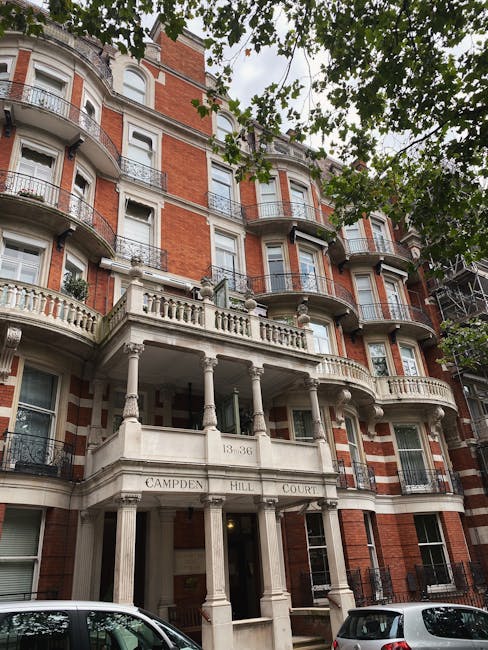
Why communal rubbish removal matters in Notting Hill Gate flats
Shared living works best when everyone understands the system. In Notting Hill Gate flats, rubbish removal is rarely just a housekeeping issue; it affects hygiene, access, neighbour relations, building reputation, and sometimes even safety. A cluttered bin store can attract vermin, obstruct cleaners, and make it harder for collection crews to do their job efficiently.
There is also the practical reality of London flats: many buildings have narrow access routes, limited storage, and a high turnover of residents. That means bin areas can fill up quickly after a weekend move, a flat refurb, or a burst of online shopping. If no one coordinates the process, rubbish tends to drift into hallways, front steps, or the pavement. That is where small problems become building-wide ones.
For landlords and agents, tidy waste handling also supports tenant satisfaction. For leaseholders and residents, it reduces frustration and the sense that one person is carrying the burden for everyone else. In a place like Notting Hill Gate, where homes can command premium expectations, a clean shared environment is not cosmetic. It is part of the baseline standard people expect.
One useful observation: most communal waste problems are not caused by a lack of bins alone. They are caused by unclear rules, poor timing, and no one taking ownership. Fix those three things and the whole system usually improves.
If you are reviewing wider property upkeep issues, the background guidance on Notting Hill real estate considerations can also help owners think about building presentation and long-term value.
How communal rubbish removal works in shared flats
In most shared flats, rubbish removal follows a simple pattern: residents separate waste, place it in the correct bins or bags, and the building or local collection service handles disposal on set days. The trouble starts when the basic pattern breaks down. A communal system only works if everyone understands what goes where, when bins go out, and who deals with bulky items.
Typically, a building may rely on one or more of the following arrangements:
- Shared bin stores for general waste, recycling, and sometimes food waste.
- Managed collection schedules overseen by a concierge, cleaner, or managing agent.
- Resident-led rotation where neighbours take turns putting bins out and bringing them back.
- Ad hoc waste clearance for bulky items, move-outs, or post-refurbishment rubbish.
The most important part is not the bin itself, but the process around it. If residents do not flatten cardboard, rinse recycling containers where appropriate, or separate bulky waste from regular rubbish, the bin store becomes overloaded very quickly. In buildings with limited storage, one neglected pile can block access for everyone else.
When larger loads arise, such as after a flat clearance or a tenant move-out, it is often more efficient to arrange a dedicated pickup through a trusted service such as waste clearance in Notting Hill or local rubbish collection. That avoids overfilling communal bins and reduces the chance of fly-tipping.
A practical rule of thumb: everyday rubbish belongs in the routine system; bulky, awkward, or high-volume items need a separate plan.
Key benefits and practical advantages
Good communal waste handling does more than keep the building looking tidy. It makes daily life smoother for everyone involved.
- Cleaner shared areas - less mess in hallways, bin stores, and entrances.
- Fewer complaints - residents are less likely to argue over who left what.
- Lower nuisance risk - waste is less likely to smell, leak, or attract pests.
- Easier collections - crews can access bins and remove waste without delay.
- Better presentation - especially important in a high-footfall area like Notting Hill Gate.
- Less emergency clearing - a structured system prevents last-minute panic.
There is also a financial angle. When shared rubbish is poorly managed, someone usually ends up paying for a more urgent, messier, or larger clearance than would have been needed with a little coordination. That can mean higher labour, more time, and sometimes extra charges for difficult access or heavy lifting. A calm, planned approach tends to be cheaper in practice.
For buildings where residents care about long-term upkeep, the quality of waste handling should be treated as part of overall property management, just like cleaning, lighting, and common-area repairs.
Who this is for and when it makes sense
This advice is relevant to a wide range of people in Notting Hill Gate flats, especially where waste is shared rather than collected from individual homes.
Residents and tenants
If you live in a flat share, maisonette, or converted building, you may need to navigate limited bin space and shared expectations. Clear habits help avoid tension with neighbours.
Landlords and letting agents
For rented flats, rubbish issues can show up at check-in, check-out, and during tenancy changes. A simple waste protocol can prevent avoidable damage to the property and keep communal areas presentable.
Managing agents and freeholders
If you oversee a block, you need a system that is predictable, easy to enforce, and realistic for the size of the building. A well-run waste arrangement supports the wider management plan.
Homeowners in converted buildings
Even in owner-occupied properties, shared responsibility can become blurry. A clear routine and agreed access rules usually solve more than a dozen reminders.
This approach makes the most sense when:
- bin storage is limited;
- the building has several flats and mixed household sizes;
- residents regularly receive bulky deliveries;
- tenants move in and out often;
- the building has experienced spillover waste or bin overflows before.
If your situation is closer to a one-off clear-out than day-to-day waste handling, services like house clearance or furniture removal in Notting Hill may be more suitable than trying to fit everything into communal bins.
Step-by-step guidance
Here is a practical way to organise communal rubbish removal in a flat building without turning it into a full-time job.
- Map the waste points. Identify where general waste, recycling, and bulky items currently go. Note any bottlenecks, access problems, or overflowing areas.
- Set a simple resident guide. Keep it short. Explain bin days, bag limits, recycling basics, and what should never be left in the bin store.
- Create a bulky waste process. Decide how residents report sofas, appliances, mattress disposals, or move-out waste. One contact route is better than several.
- Label everything clearly. Bins, lids, and storage areas should be easy to understand at a glance. People do better with obvious instructions than with vague reminders.
- Schedule regular checks. A cleaner, porter, or managing agent should inspect the bin area before and after collection day.
- Separate special waste. Electrical items, furniture, builders' waste, and garden cuttings should not be dumped with ordinary bags.
- Arrange extra collection when needed. If a flat is being emptied or refurbished, book a one-off service rather than hoping the communal system will absorb it.
- Review and adjust. If bins are always overflowing by Friday, the issue is not "residents being difficult" - the system probably needs more capacity or better timing.
In many buildings, the biggest improvement comes from one thing: making the process visible. If residents can see where waste goes and what the rule is, compliance tends to improve without a big lecture. Nobody enjoys a lecture in a bin store anyway.
Expert tips for better results
These are the small, practical changes that often make the biggest difference in shared flat buildings.
1. Keep the instructions brutally simple
Long notices are usually ignored. Use short wording, clear icons if available, and a single contact person or email for waste issues. The easier it is to understand, the more likely people are to follow it.
2. Match capacity to reality
If your building has frequent short lets, active family households, or lots of online deliveries, normal bin capacity may not be enough. A bin store that looked fine for two residents can be overwhelmed by six. Adjust the system to usage, not theory.
3. Don't mix clearance waste with everyday rubbish
One of the most common errors is trying to "hide" a mattress, broken chair, or bag of renovation offcuts beside the bins. That rarely ends well. It blocks access and creates an eyesore instantly.
4. Protect access routes
Bin crews and waste collectors need room to move safely. Keep hallways, gates, and courtyard access clear. A neat route speeds up collection and reduces accidental damage.
5. Time clearances carefully
If you are arranging a one-off collection, book it when the building is least busy. That helps avoid congestion in narrow entrances or shared courtyards, especially in older properties where space is tight.
For service options and what a professional provider can handle, the services overview and waste disposal in Notting Hill pages are useful starting points.

Common mistakes to avoid
Shared waste systems usually fail for predictable reasons. The good news is that most are easy to prevent.
- Leaving loose rubbish beside bins - this encourages more dumping and quickly turns into a bigger problem.
- Assuming someone else will sort it - if responsibility is unclear, rubbish sits around longer.
- Ignoring bulky items - a single sofa or appliance can disrupt the whole bin store.
- Using the wrong collection route - domestic waste, commercial waste, and builders' waste may need separate handling.
- Overlooking recycling separation - contamination can reduce the usefulness of the recycling stream.
- Booking late - if you wait until the bin area is already overflowing, the clearance is more stressful and often less efficient.
- Hiring an unverified provider - always check that the waste carrier is properly licensed and that disposal is handled responsibly.
Another common mistake is treating all waste as if it were one category. It is not. Packaging, furniture, appliances, and refurbishment debris each have different handling needs. That distinction matters for compliance, safety, and cost.
If a building is dealing with regular post-refurbishment waste, a dedicated option like builders waste disposal is far more appropriate than overloading communal bins.
Tools, resources and recommendations
You do not need a lot of equipment to improve communal rubbish removal, but a few simple tools can make a real difference.
- Clear bin labels for general waste, recycling, and food waste if applicable.
- Heavy-duty bin liners to prevent split bags and leaks.
- Trolleys or moving aids for bulky items awaiting collection.
- Wall notices or resident emails to keep everyone aligned on collection days.
- Lockable or controlled-access bin stores where fly-tipping is a recurring issue.
- A contact list for waste problems so residents know who to alert.
For residents wanting to understand wider service standards, the pages on recycling and sustainability, insurance and safety, and waste carrier licence and compliance are particularly relevant. They help you assess whether a provider operates in a responsible and transparent way.
If you are comparing providers or planning a specific clearance, you may also want to review pricing and quotes before you book. That makes it easier to understand what is included and whether the service suits your building's needs.
Law, compliance and best practice
Shared rubbish removal is not just a matter of convenience. In the UK, waste handling should be approached carefully and responsibly. While this article is not legal advice, a few principles are broadly sensible and widely expected.
Use a licensed waste carrier. If you hire someone to remove waste, it is wise to check that they are properly authorised to transport it. This helps reduce the risk of fly-tipping and gives you more confidence that waste is being handled correctly.
Keep disposal records where appropriate. For landlords, agents, and building managers, keeping a note of collection dates, service details, and invoices can be helpful if a waste issue later needs to be traced.
Separate commercial and domestic waste. If a flat building has a business element, home office overflow, or refurbishment work taking place, it may not all belong in the same stream. The right route depends on the waste type.
Do not obstruct communal spaces. Waste left in hallways, entrances, or shared corridors can create fire, access, and hygiene concerns. Building policies should make that clear.
Follow your building rules and local collection arrangements. Even where formal rules are not complicated, the house rules, lease terms, or managing agent's instructions may set expectations about storage and collection times.
Best practice is usually simple: keep waste contained, keep records, use the right service, and act before a pile becomes a problem. That approach is safer for residents and easier on management.
Options, methods and comparison table
Different waste situations call for different methods. The right choice depends on volume, item type, urgency, and access.
| Method | Best for | Strengths | Limitations |
|---|---|---|---|
| Communal bin system | Daily household waste | Simple, familiar, low effort | Can overflow quickly if not managed well |
| Resident-led rotation | Small blocks with cooperative neighbours | Low cost, flexible | Depends on everyone doing their part |
| Managing agent coordination | Blocks with shared professional oversight | Clear accountability, consistent standards | May require more administration |
| One-off clearance service | Bulky items, moves, or major declutters | Fast removal, less strain on bins | Higher upfront cost than routine disposal |
| Specialist disposal service | Furniture, appliances, builders' waste | Matched to waste type, often more efficient | Needs correct booking and item description |
For most Notting Hill Gate flats, the best answer is a combination: a tidy communal system for routine waste, plus a separate route for bulky or unusual items. That hybrid approach keeps the building calm and avoids forcing every problem into one bin store.
Case study or real-world example
Imagine a converted flat building near Notting Hill Gate with six households. For months, the bin store has been messy: cardboard left unflattened, recycling mixed with general waste, and the occasional sofa waiting "just for a day" near the back gate. It never looks disastrous at first. Then a collection is missed. Then another bag appears. Then the cleaner cannot reach the bins properly.
The managing agent takes a simple approach:
- creates a one-page resident waste guide;
- assigns one contact for bulky item requests;
- adds clear labels to each bin;
- books a one-off clearance for old furniture and unwanted appliances;
- introduces a weekly visual check before the collection day.
Within a short time, the bin store becomes usable again. Residents stop guessing. Bulky items are no longer left in shared space. The cleaner spends less time moving around abandoned bags, and the building feels more under control.
That kind of improvement is rarely dramatic. It is usually a series of small fixes. But in shared flats, small fixes add up quickly.
If your building is dealing with furniture, appliances, or larger mixed loads, related services such as white goods and appliance disposal, furniture disposal, or domestic waste collection may be a better fit than trying to improvise.
Practical checklist
Use this checklist before waste day or before arranging a one-off clearance in a shared flat building.
- Are all residents clear on where waste should go?
- Are bin labels easy to read?
- Is the bin store free from old items and obstructions?
- Have cardboard boxes been flattened where possible?
- Are recycling and general waste separated correctly?
- Has anyone reported bulky items that need separate removal?
- Is there enough access for the collection crew?
- Has the managing agent or responsible contact confirmed the plan?
- Are you using a licensed and insured waste provider if needed?
- Have you scheduled collection early enough to avoid overflow?
Quick takeaway: if the answer to any of these is "no," fix that first. Small preparation now usually prevents a bigger mess later.
Conclusion
Managing communal rubbish in Notting Hill Gate flats does not need to be complicated. The buildings that stay clean are usually the ones with clear rules, sensible timing, and a practical plan for bulky waste. Keep routine bins simple, separate awkward items from everyday rubbish, and make sure everyone knows who to speak to when there is a problem.
That is the heart of effective communal waste removal: less confusion, less mess, and less frustration for everyone who lives there. If you are a resident, that means fewer bin-store headaches. If you are a landlord or manager, it means a more orderly building and fewer avoidable complaints.
Get a free quote today and see how much you can save.
If you want a broader overview of available help, explore the full services overview, learn more about recycling and sustainability, or read the practical local guide on living well in Notting Hill.


 Tipper Van - Junk Collection and Rubbish Removal Prices in Notting Hill, W10
 Luton Van - Junk Collection and Rubbish Removal Prices in Notting Hill, W10
