






Golborne Road recycling points and rubbish pickup W11
Posted on 06/05/2026
Golborne Road recycling points and rubbish pickup W11: a practical local guide
If you live, work, rent, or run a business near Golborne Road, rubbish can become one of those small problems that quietly grows teeth. One week it is a broken chair, the next it is garden cuttings, packing materials, a flat-clearance pile, or bags that missed collection day. Golborne Road recycling points and rubbish pickup W11 are not just about getting rid of waste. They are about keeping a busy part of West London tidy, safe, and manageable without spending your Saturday dragging bags around in the drizzle.
This guide explains how local recycling options and rubbish pickup normally work in W11, what to do with different kinds of waste, how to avoid common mistakes, and when a professional service makes more sense than trying to solve it all yourself. If you are comparing options, you may also want to explore the full services overview and the company's recycling and sustainability approach for a broader picture.
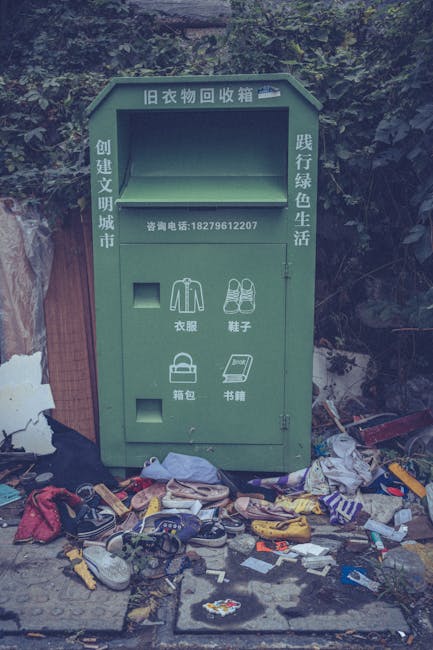
Why Golborne Road recycling points and rubbish pickup W11 Matters
Golborne Road sits in a part of London where homes, shops, cafes, markets, studios, and shared buildings all rub shoulders. That mix is brilliant for local life, but it also creates a constant stream of waste: food packaging, cardboard, mixed recycling, old furniture, renovation offcuts, and the odd mattress abandoned near a kerb. Not ideal, to put it mildly.
Having clear, reliable options for recycling and rubbish pickup matters for a few reasons. First, it helps prevent waste from building up on narrow pavements or in communal entrances. Second, it makes it easier to separate what can be recycled from what needs proper disposal. Third, it reduces the risk of fly-tipping, pests, and that unmistakable smell that appears after bags sit too long in warm weather. You know the one.
There is also a practical lifestyle angle. If you are moving out, renovating, managing an Airbnb-style turnover, or clearing a flat after a long tenancy, waste stops being a background issue and becomes a scheduling problem. That is where local knowledge helps. For broader support across the neighbourhood, it can be useful to read the guide to Portobello Road rubbish collection in Notting Hill, which covers similar local conditions and street-level logistics.
Expert takeaway: In W11, rubbish disposal works best when you plan for access, sort waste early, and choose the right route for the material. The cheapest option is not always the smoothest one, and the smoothest one is often the one that saves you the most time.
How Golborne Road recycling points and rubbish pickup W11 Works
There are usually two broad routes for getting rid of household or commercial waste in the area: using local recycling points or arranging rubbish pickup. Each has its place. The best choice depends on the type of waste, how much you have, and whether you can move it yourself without causing a headache.
1. Recycling points for suitable items
Recycling points are designed for materials that can be sorted and processed separately, such as paper, cardboard, glass, metal, and some plastics. These are typically best for smaller loads that you can carry safely and responsibly. If you are only dealing with a few bags, flattened cardboard, or some household recycling after a clear-out, this route can be sensible.
The catch? Recycling points are not a catch-all solution. They are usually not the right place for bulky furniture, builder's rubble, paint, electricals that need specialist handling, or mixed waste bags. Put bluntly, if you are wondering whether something "probably" belongs there, it is worth checking first rather than guessing.
2. Kerbside rubbish pickup
For more general waste, scheduled collection is the main route for many homes and businesses. Depending on the property type and the material involved, this may involve standard council collection, a private clearance booking, or a special uplift for bulky items. Pickup works best when bags are out on time, clearly placed, and compliant with local expectations.
In busy streets near Golborne Road, timing matters. A missed window can mean waste sitting too long outside, which creates visual clutter and, frankly, frustration for everyone passing by. If the collection is for bulky or mixed waste, a private service can be the easier option because it handles lifting, loading, and disposal in one go. If you need that kind of support, the page for rubbish removal in Notting Hill explains the general approach in more detail.
3. Special waste and odd items
Some items need a more careful route. Think fridges, freezers, televisions, office electronics, builder's waste, garden cuttings, or mixed renovation debris. These often need separate handling because they contain materials that should not just be tipped into a general pile. A professional team can save a lot of awkward lifting and uncertainty here.
If your waste comes from a refurbishment, it may be worth looking at builders' waste disposal in Notting Hill. For green waste, garden waste removal is the more relevant route. Different waste, different solution. Simple really, though not always easy in practice.
Key Benefits and Practical Advantages
Using the right recycling point or rubbish pickup option in W11 gives you more than just a clear floor. It solves a chain of small problems before they turn into larger ones.
- Cleaner kerbside conditions: less clutter, fewer trip hazards, and a more presentable street.
- Less stress: you avoid guessing, double-handling, and wasted trips.
- Better recycling outcomes: suitable materials are more likely to be separated correctly.
- Time saved: a pickup service removes the physical job of hauling waste yourself.
- Better for shared buildings: communal hallways, basements, and bin stores stay easier to manage.
- More flexible for bulky loads: furniture, appliances, and mixed waste are handled in one visit.
There is also a quality-of-life benefit people often underestimate. A cluttered space changes how a flat or business feels. A cleared room looks brighter, smells fresher, and is just easier to work in. That sounds obvious, but it is often the exact difference between a property feeling stuck and feeling ready.
For landlords and sellers, that matters even more. If you are preparing a place for viewings, it can help to review Notting Hill residential property deals and the property investment guide to see how presentation affects value and speed. Waste clearance is not glamorous, but it absolutely shapes first impressions.
Who This Is For and When It Makes Sense
This topic is relevant to a lot more people than you might think. The most common situations are surprisingly everyday.
- Residents in flats or terraces who do not have space for large waste storage.
- Landlords and letting agents dealing with end-of-tenancy clearances.
- Shop owners and cafe operators who generate steady cardboard, packaging, and back-of-house waste.
- Office managers clearing old furniture, monitors, or archive material.
- Homeowners renovating kitchens, bathrooms, lofts, or gardens.
- People moving house who suddenly discover how much stuff one home can quietly produce.
It makes sense to use recycling points when the volume is manageable and the items are accepted. It makes sense to book pickup when the waste is too heavy, too mixed, too bulky, or too awkward to transport yourself. Truth be told, if you need a friend, a trolley, and a second coffee just to get the waste out the door, that is usually a sign you should not be doing it all on your own.
If you are planning a larger clearance, the wider house clearance service is often the better fit. For workplaces, office clearance in Notting Hill is a more efficient route than trying to piecemeal everything via bins or ad hoc trips.
Step-by-Step Guidance
Here is a simple way to deal with rubbish around Golborne Road without making it a bigger job than it needs to be.
- Sort the waste by type. Separate recycling, general rubbish, bulky items, food waste, green waste, and anything hazardous or specialist.
- Check whether it can be recycled locally. Cardboard boxes, bottles, cans, and some plastics may be suitable for recycling points if clean and dry.
- Estimate the volume. One bin bag is very different from a room full of furniture. A rough estimate helps you choose the right disposal route.
- Think about access. Narrow staircases, no lift, permit restrictions, or limited parking can affect pickup timing and collection method.
- Book the right service. If it is bulky or mixed waste, arrange collection rather than trying to move everything yourself.
- Prepare items safely. Break down cardboard, bag loose rubbish, tape sharp edges, and keep recycling separate where possible.
- Place waste correctly. Follow collection instructions carefully so items are visible, accessible, and not blocking pedestrians.
- Keep a record if needed. For landlords, businesses, and contractors, take a quick note of what was removed and when.
A little order at the beginning saves a surprising amount of energy at the end. I have seen people spend longer debating where to put the waste than it would have taken to sort it in the first place. Happens all the time.
Expert Tips for Better Results
If you want the process to go smoothly, these small habits help more than most people expect.
- Keep recyclables clean and dry. Food contamination can ruin otherwise recyclable material.
- Flatten cardboard. It reduces bulk and makes pickup or transport far easier.
- Don't mix builder's waste with household bags. Mixed loads are harder to process and may be treated differently.
- Move items close to the exit before collection day. This matters a lot in narrow W11 properties.
- Use the right service for heavy items. A fridge or wardrobe is not something you want to wrestle downstairs at 8 a.m.
- Plan around local traffic and parking. Golborne Road can be busy, so timing is not a small detail.
One good rule: if an item feels awkward now, it will feel more awkward on collection day. That is usually the moment when people realise a service call would have been the kinder choice.
For a more rounded service picture, it can also help to read about the company and the safety and insurance information. Those pages are useful if you want to understand how collections are handled professionally, especially in tight-access properties.

Common Mistakes to Avoid
Most rubbish problems in local areas come from a few predictable missteps. Avoid these and you are already ahead of the game.
- Leaving waste out too early: it can attract attention, block access, or create a nuisance.
- Assuming everything is recyclable: not all plastics, mixed materials, or contaminated packaging qualify.
- Forgetting about bulky waste rules: large items often need separate collection, not standard bin disposal.
- Ignoring access restrictions: no one wants a pickup blocked by a parked car or a locked gate.
- Trying to dispose of restricted items casually: certain materials need specialist handling.
- Waiting until the last minute: that is how small clearances turn into stressful scrambles.
There is a particular kind of frustration that comes from dragging a heavy item halfway out, only to realise it will not fit through the stairwell. Better to pause first and choose the right approach.
Tools, Resources and Recommendations
A few simple tools can make local waste management much easier, especially if you deal with rubbish regularly.
- Heavy-duty bin bags for safe handling of general waste.
- Box cutters and tape for breaking down cardboard and securing packages.
- A sack truck or small trolley if you frequently move items from upper floors.
- Labels or marker pens for sorting recycling from non-recycling items.
- Gloves for handling sharp, dusty, or awkward materials.
- Reusable crates or tubs for moving mixed small items without multiple torn bags.
When choosing a disposal route, compare convenience, time, item type, and whether anything needs special handling. The cheapest option can become expensive in time and effort if you need to make several journeys or hire equipment you did not expect.
If you are looking at costs or want a clearer picture before booking, pricing and quotes is a useful next stop. And if you prefer a broad overview before drilling down into one service, the main services page is a straightforward place to start.
Law, Compliance, Standards, or Best Practice
Waste disposal in the UK is not something to treat casually. You do not need to be a legal expert to stay on the right side of things, but you do need to be sensible.
As a general rule, households should follow local collection guidance and use recognised recycling or waste services for anything beyond normal bin use. Businesses and landlords have extra responsibilities around duty of care, which means keeping waste with an authorised carrier and making sure it is handled correctly. If you are unsure, it is worth asking for clear documentation and checking that the service is appropriate for the waste type.
Best practice is fairly simple:
- sort waste responsibly before collection,
- avoid leaving loose rubbish where it can blow about or block pavements,
- use approved routes for items that need specialist disposal,
- and keep records if you are a landlord, contractor, or business owner.
For company policies and operating standards, some readers like to review pages such as terms and conditions, privacy information, and payment and security guidance. Those are not glamorous reads, no, but they do matter when you want certainty and accountability.
Options, Methods, or Comparison Table
Here is a simple comparison of the most common ways people handle waste around Golborne Road and the wider W11 area.
| Option | Best for | Pros | Limitations |
|---|---|---|---|
| Local recycling point | Small volumes of clean recyclable material | Good for sorting, low-cost, environmentally sensible | Not suitable for bulky, mixed, or restricted items |
| Standard collection | Routine household waste and scheduled pickup | Convenient and familiar | Limited capacity and timing constraints |
| Private rubbish pickup | Bulky, mixed, or urgent waste removal | Fast, flexible, handles lifting and loading | Cost varies by volume and type |
| Specialist clearance | House, office, builder's, or garden clearance | Designed for larger, more complex jobs | May be more than you need for a small load |
In practical terms, the best method is the one that fits the waste, the space, and your time. A tiny flat with four bags of recycling? Simple. A top-floor office with old desks, monitors, and packaging after a refit? Not so simple. That is where a proper pickup earns its keep.
Case Study or Real-World Example
Imagine a small cafe near Golborne Road preparing for a refit before the busy part of the week. There are broken shelving units, cardboard from new stock, worn chairs, and a handful of electronics that have reached the end of their life. The owner could try to sort everything over several days using regular bins and a few hopeful trips. Or they could separate recyclable cardboard, identify what needs specialist handling, and book a pickup that removes the lot in one visit.
In that situation, the second option usually wins. Not because it is fancy, but because it is cleaner and faster. Staff can keep working, the front of house stays presentable, and there is less risk of waste piling up near the entrance. If the property is also part of a broader business refresh, a service like waste clearance in Notting Hill may be the most efficient route.
A similar pattern shows up in residential clear-outs. A tenant leaving a flat near Portobello and Golborne with a mix of boxes, a broken coffee table, and some old kitchen bits usually needs more than a bin plan. They need a clear, fast removal route. That is the moment when local pickup stops being a convenience and becomes a relief.
Practical Checklist
Use this checklist before arranging recycling or rubbish pickup in W11.
- Have I sorted the waste into recyclable, general, bulky, and specialist items?
- Do I know what can go to a recycling point and what cannot?
- Have I checked whether any item needs separate handling?
- Is the collection point accessible without blocking neighbours or pedestrians?
- Have I flattened cardboard and bagged loose rubbish?
- Do I know whether the job is small enough for a standard pickup or large enough for clearance?
- Have I set aside sharp or heavy items safely?
- Have I confirmed timing so waste does not sit out too long?
- Do I need documentation for a landlord, agent, or business record?
- Am I using the most practical option, not just the quickest one?
If you can tick most of those off, you are in good shape. If not, no drama. Better to pause and sort properly than to improvise with a pile of mixed rubbish and a bad back.
Get a free quote today and see how much you can save.
Conclusion
Golborne Road recycling points and rubbish pickup W11 are about more than disposal. They are part of how the area stays liveable, tidy, and workable in day-to-day life. Whether you are clearing a flat, refreshing a shop, managing a tenancy, or just trying to get on top of the weekly overflow, the right approach saves time, reduces stress, and avoids the usual last-minute scramble.
The main thing is to match the waste to the method. Recycling points suit smaller, cleaner materials. Rubbish pickup suits bulky, mixed, or awkward loads. Specialist clearance makes sense when the job is bigger than a few bags and a hopeful smile. Simple enough, really, even if life in W11 rarely feels that tidy.
If you approach it calmly and sort things at the start, the whole process becomes easier. And honestly, there is something quietly satisfying about seeing a cluttered space cleared properly. A fresh room, a clean pavement, a job done right. Small win, but a good one.


 Tipper Van - Junk Collection and Rubbish Removal Prices in Notting Hill, W10
 Luton Van - Junk Collection and Rubbish Removal Prices in Notting Hill, W10
